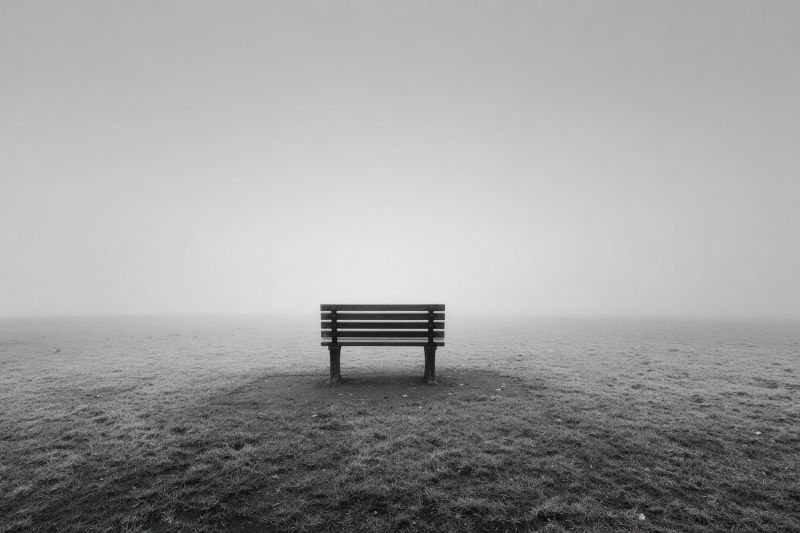
Not tired. Not distracted. Not waiting for something better to load. Actually bored. The kind of boredom where your mind has nothing to chew on and nowhere to go, and you just sit there, unoccupied, with no screen in your hand and no task pulling at your sleeve.
You used to know this feeling. It visited you in waiting rooms and on long car rides and during the last hour of a slow afternoon when the light was changing and nobody had called and you had already read everything in the house. It was uncomfortable. It was also, without your knowing it, the condition in which most of your best thinking happened.
Boredom is where the mind wanders. And wandering is how the mind discovers what it actually cares about, as opposed to what it has been told to care about. Without that empty corridor, without that stretch of nothing, the mind becomes a responder. It reacts. It consumes. It never initiates.
We filled every gap. We made sure no moment went unused. We turned waiting into scrolling and silence into podcasts and solitude into connectivity. We were so afraid of being bored that we engineered a world in which boredom is nearly impossible. And then we wondered why we felt so empty, so reactive, so incapable of sitting with a thought long enough to finish it.
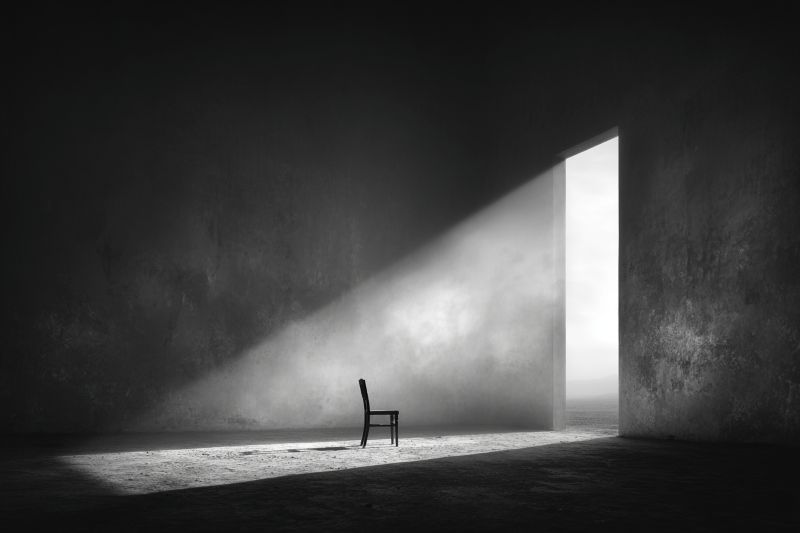
Boredom was not the enemy. It was the opening. The door you walked through to reach the room where your own ideas were waiting. You sealed that door with apps and feeds and an infinite library of content designed to ensure you never have to be alone with yourself for more than three seconds.
The question is not whether you can get bored again. The question is whether you would let yourself.
And what might come back to you if you did.
Nishant Mishra / The Nervous Age · Words for a world that won’t sit still.


Leave a comment